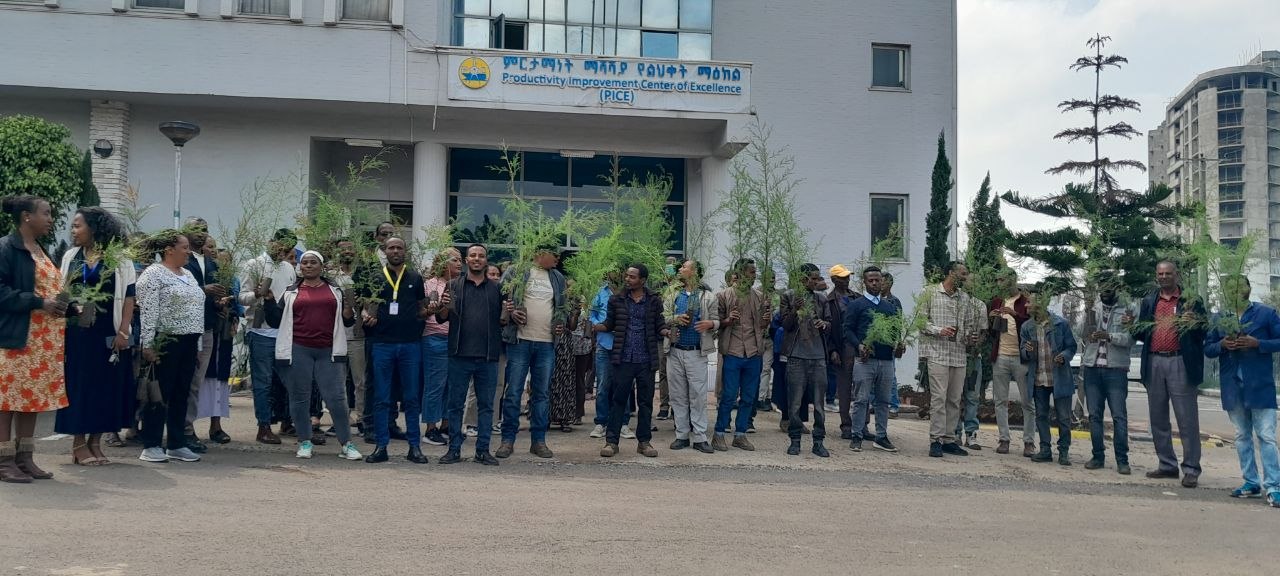
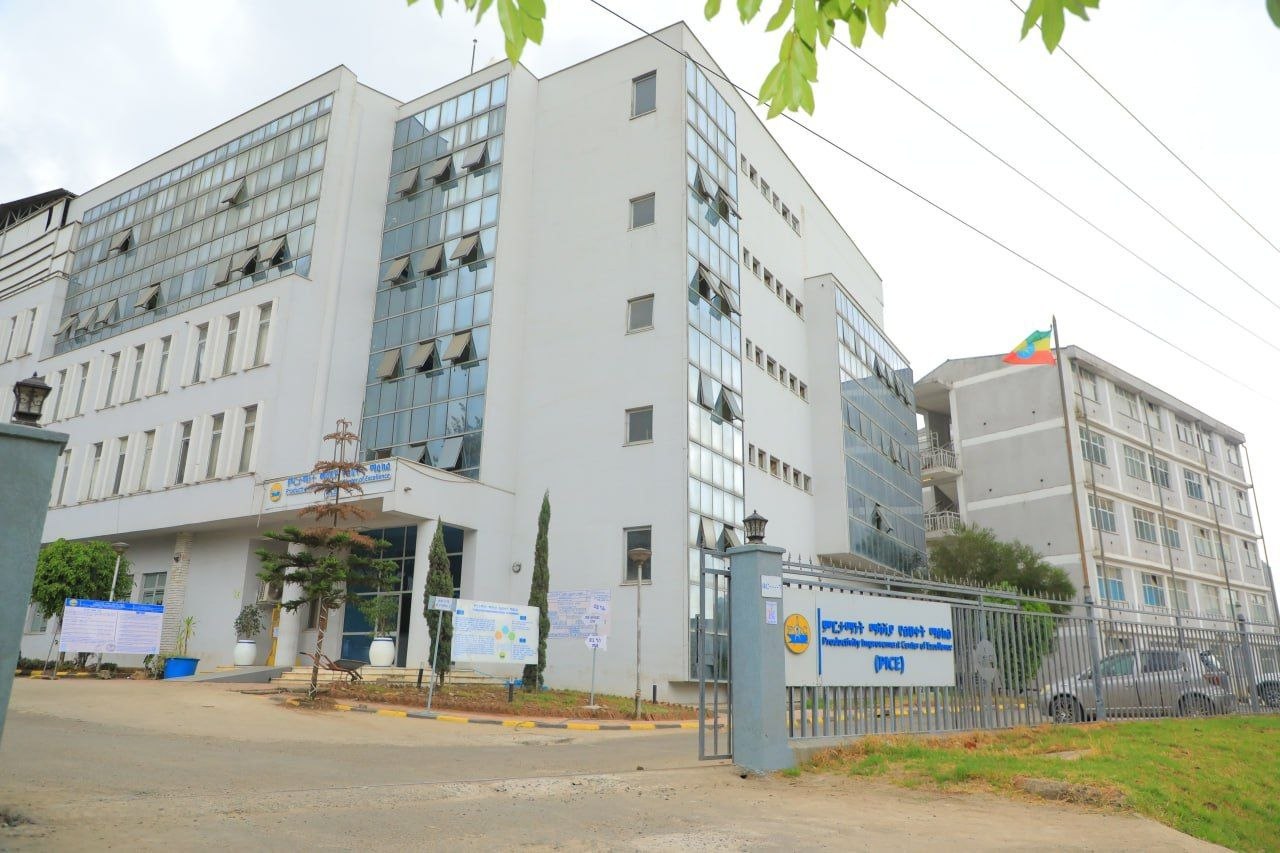
The Productivity Improvement and Excellence Center, a public institute established in 1962
G.C., initially provided national technical training. Between 1967 and 1976, it was known as the
National Productivity Improvement Center, offering short-term training for industry and
technical evaluations. From 1977 to 2010, the institution was referred to as the Productivity
Improvement Center, continuing its mission to enhance productivity and offer specialized
training programs.
The Federal Democratic Republic of Ethiopia (FEDERI) has established policies and strategies
to drive economic growth, foster peace, and enhance democracy, placing a strong emphasis on
inclusivity and fairness for the entire population. These efforts aim to create a more equitable
society where all citizens can benefit from national progress.እኦPage 8 of 83P
Aligned with these overarching goals, the Employment and Skills Bureau sector of the Addis
Ababa city administration has rolled out a ten-year development plan (2013-2022). This plan is
designed to spur economic prosperity and reduce poverty, thereby ensuring rapid and sustainable
progress for the city. Central to this initiative is the role of education and training in eliminating
poverty, achieving middle-income status, and securing long-term national economic success. The
Technical and Vocational Education and Training (TVET) sector, in particular, plays a crucial
role in these endeavors.
In pursuit of this goal, the Addis Ababa City Administration Technical and Vocational Training
(TVT) has established a center of excellence aimed at enhancing productivity and delivering
exceptional training for managers, trainers, and industry experts. This center offers short-term
training programs, addresses skill gaps, conducts research to solve industry and enterprise
challenges, fosters technology development, and provides incubation services. Through these
comprehensive initiatives, the center aims to improve the training capabilities of industry
professionals and support employment, career advancement, and placement through skill
evaluations.
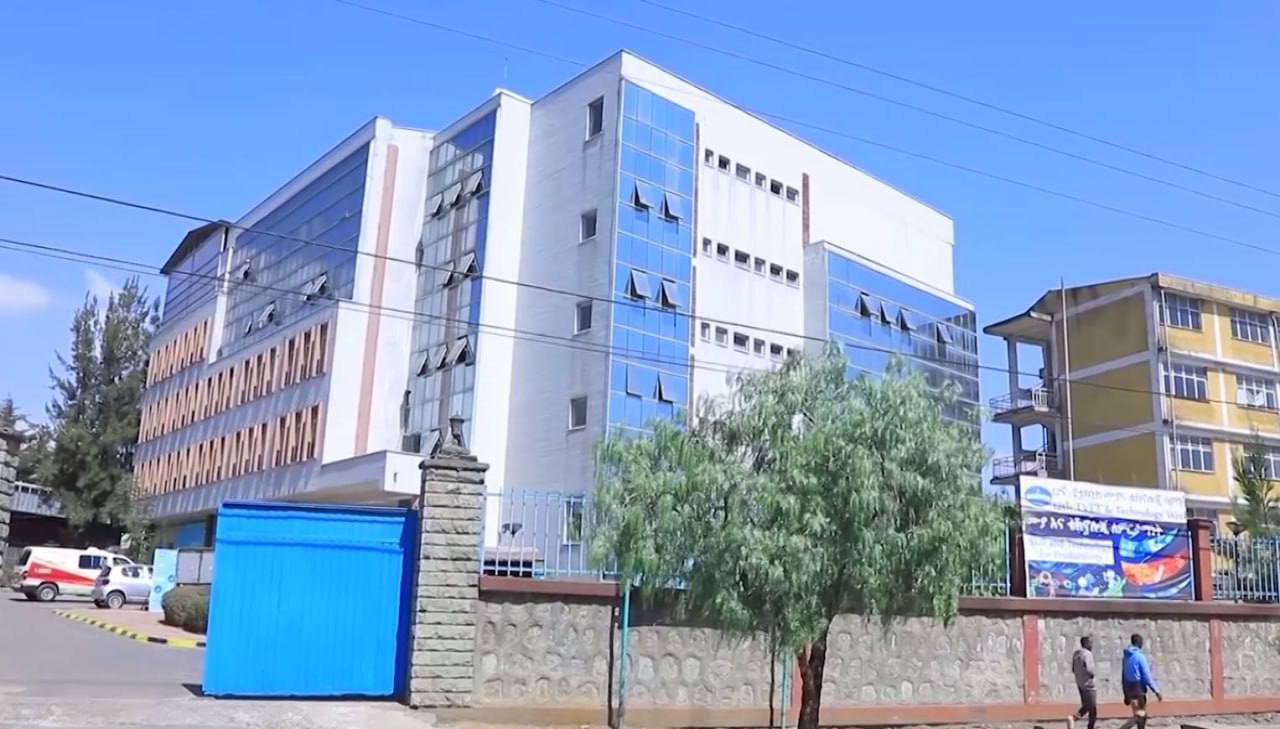
Since its inception in 2012, this center of excellence has earned a reputation as a distinguished
institution, not just for Addis Ababa but for the entire nation. Currently, it is located within the
Campus and is structured into three primary directorates: Technology Development and
Incubation Services, Capacity Building of Trainers and Industry Professionals, and Institutional
Development of Research and Industrial Advisory Services. Additionally, there are nine
supporting directorates managing areas such as human resources, finance, government
procurement, property and general services, internal audit, building management, planning and
budgeting, communications, and ethics and anti-corruption.
Since 1989, and particularly between 1991 and 1995, the Addis Ababa City Administration has
played a pivotal role in enhancing productivity and industrial training. Originally established as
the National Productivity Improvement Center from 1967 to 1976, the organization provided
short-term training, counseling services, and professional evaluations to industrialists and
managers nationwide. Additionally, it contributed significantly to the industrial sub-economy by
offering maintenance and refurbishment of modern spare parts.e 9 of 83Pag
From 1977 to 1989, the National Productivity Center merged with Mekane Research to form the
Ethiopian Management Institute, which included the Productivity Center Improvement Center
and the Debrezeit Management Training Center. Between 1995 and 1997, the center was part of
the capacity building office of Addis Ababa, aligning with the city's developmental agenda by
offering advanced professional training to operators of micro and small institutions across ten
sub-cities. However, from 1997 to 1999, the center fell under the Addis Ababa City
Administration Trade and Industry Development Office, which focused more on the business
sector, thereby neglecting the industrial sector. Consequently, the center struggled to provide
expected services and fulfil its mission.
From 2000 to 2002, the center was re-assigned to the capacity building office, and from 2002
onwards, it came under the small enterprises’ development office. These frequent administrative
changes, coupled with organizational challenges and insufficient human resources, hindered the
center ability to achieve its mission. In 2012, the Addis Ababa City Administration reorganized
the center during a broader restructuring of technical and vocational education and training
institutions. It emerged as a center of excellence for trainers, industrial professionals, technology
development, incubation, and consulting services, located in Lideta Sub-city. The center
integrated the Lideta Institute, Korean Veterans Memorial Coaching Excellence Centre, Meles
Zenawi Memorial Technology Transfer, Research and Incubation Centre, and Productivity
Improvement Centre to build institutional and industrial training capacities effectively.